
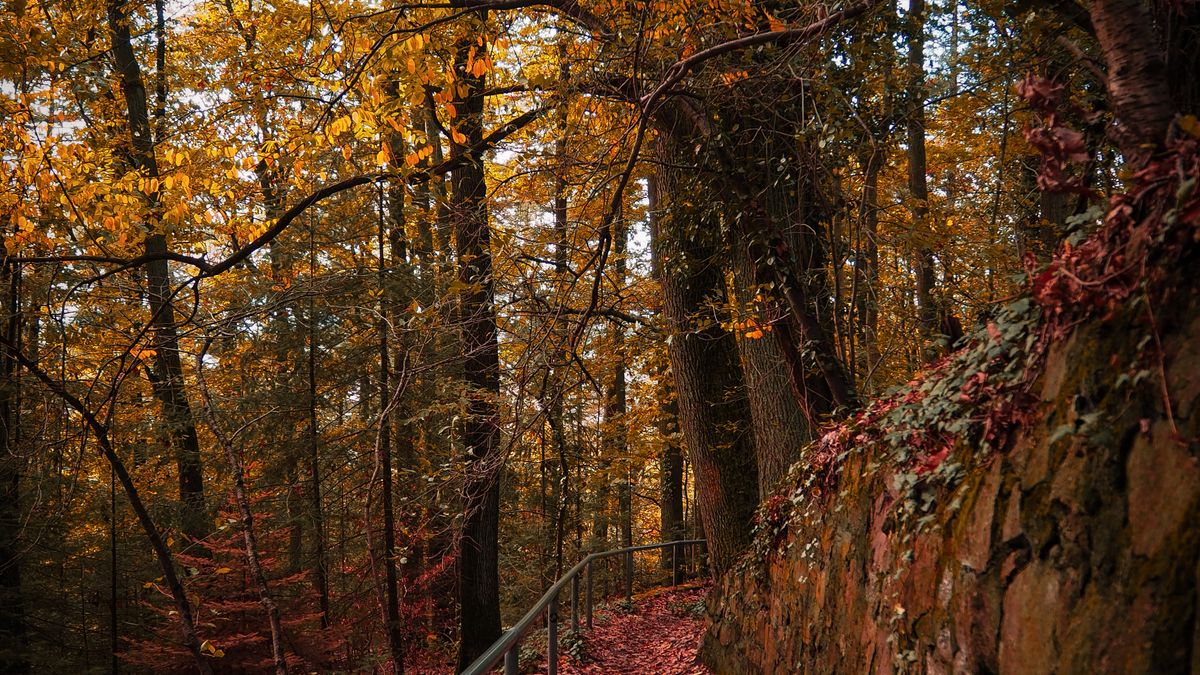
There is mud, and then there is British trail mud. The sticky clay of the Midlands can add a kilogram to each foot before you have reached the first gate. Peat bogs on the Pennine tops suck at your soles with a wet, smacking sound. Chalk downland turns slick after a shower, while wet grass in the Yorkshire Dales or the Brecon Beacons can be more treacherous than any rock slab. A path that was baked hard in July may be a quagmire by October, and the same walk can serve up all of it in a single afternoon.
That variety is why choosing trail shoes for muddy conditions is never about one perfect pair. It is about matching lug depth, upper material and fit to the ground you actually walk, the season you walk it, and how warm you run. Get it right and you will move with confidence, even when the path has turned to soup.
Lug depth is the first thing to check. Shallow 3mm to 4mm lugs are fine for canal towpaths, forest tracks and dry summer trails, but they skate over wet clay and fill up with mud in seconds. For most British off-road walking, 5mm to 6mm is the sweet spot. If you are heading into peat bogs, deep mud or steep wet grass, look for 7mm to 8mm.
Pattern matters as much as depth. Wide-spaced chevrons and angular lugs shed mud rather than holding it. A pronounced heel brake helps on muddy descents, while multi-directional lugs give grip when you are traversing a slippery slope. If the mud is thin and watery, a tighter pattern can work, but for claggy clay you want space between the lugs so the shoe can clear itself with every step.
A water-resistant upper keeps out puddles, wet grass and the first inch of bog. Look for a gusseted tongue, a reinforced toe bumper and a rand around the base. Some shoes use a waterproof membrane, others a tightly woven textile with a durable water-repellent finish. Both have a place, but neither is magic. Water always finds a way in over the ankle collar, and once it is inside a waterproof shoe, it stays there.
That is why breathability matters on warmer afternoons. A fully waterproof shoe can become a sauna on a humid June walk, leaving your feet soft, hot and prone to blisters. A more breathable shoe may let in a little water at a stream crossing, but it will also drain and dry faster. Many experienced walkers choose a water-resistant, breathable upper for spring and summer, then switch to a more protective shoe for winter bog. Waterproof socks can bridge the gap, though they add bulk and need careful fitting.
Mud pulls at your shoes with every step, so fit is not a luxury. If your heel lifts, you will get blisters on the climb. If your toes jam forward on a descent, you will lose toenails. Aim for a thumb’s width between your longest toe and the front of the shoe, and always try shoes with the socks you plan to wear. Feet swell on longer walks, especially in heat.
Mud is only part of the story. A British path often mixes slick roots, wet limestone, slate and wooden boardwalks. Deep lugs can feel vague on hard rock, so look for a rubber compound that stays sticky in the cold. Softer rubber grips better on wet stone but wears faster on abrasive gritstone. Harder rubber lasts longer but can skate on damp roots.
Stack height and underfoot protection also count. A rock plate or firmer midsole saves your soles on stony tracks, while a lower stack gives better ground feel on tricky descents. If your walks are mostly muddy fields and woodland, prioritise mud clearance and heel braking. If you cross rocky summits, accept a little less bite in the bog for more stability on stone.
After a muddy walk, resist the urge to bake your shoes on a radiator. Let them air dry away from direct heat, then brush off dried mud with a stiff brush. Rinse cold water through the upper if the mud is peaty or gritty, but avoid detergents that strip water-repellent finishes. Stuff them with newspaper to hold their shape and speed drying. Re-proof the upper when water stops beading.
Rotate two pairs if you walk often. It gives each pair time to dry and keeps the midsoles fresher. Pair your shoes with wool or synthetic socks that wick moisture, and carry a small square of blister plaster for hot spots. The best muddy-condition shoe is the one that fits well, clears its own lugs, and lets your feet breathe when the sun finally breaks through. Get those basics right and the mud becomes part of the fun.

Hi, my name is Anthony kuber. I am artist and fashion designer.
I love to travel and writing blogging.
Your email address will not be published. Required fields are marked *
Software Developer & Writer
Hey, I'm Diva, a developer and writer blending code and creativity. I'm driven by a deep curiosity and a relentless pursuit of excellence. Join me as I craft digital solutions and captivating stories.


