
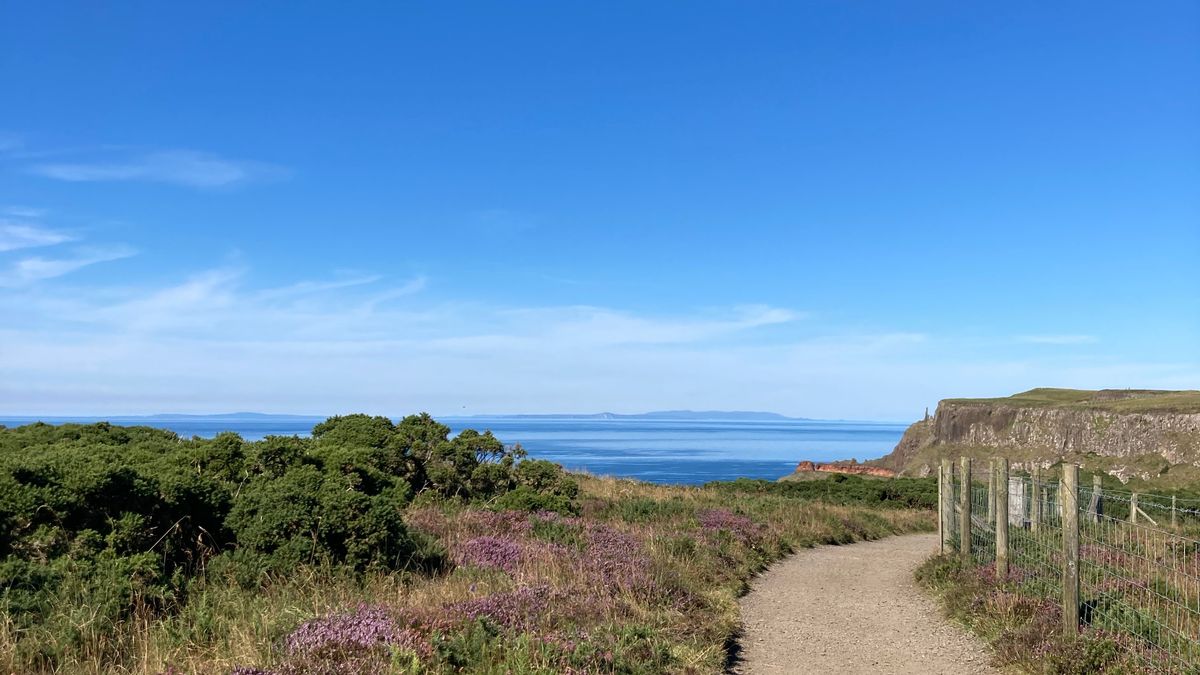
Coastal walking in the UK offers some of the most exhilarating scenery you can find: chalk cliffs, sweeping bays and bracing sea air. But the very forces that shape that landscape – waves, rain, wind and frost – are constantly reshaping it. A path that was safe and open last summer may now be a crumbling edge or a fenced-off gap. Cliff erosion doesn't wait for a convenient moment, and closures can appear with little or no warning. So before you pull on your boots, it's worth spending a few minutes checking for diversions and planning an inland escape route.
Erosion is not a steady, predictable process. Soft cliffs made of sand, clay or glacial till can retreat by metres in a single winter storm, whilst harder rock such as granite or limestone erodes more slowly but still unpredictably. Heavy rainfall saturates the ground, triggering landslides and slumps. Wave action undercuts the base of cliffs, leaving overhanging sections that can collapse without warning. Paths that hug the cliff edge are especially vulnerable. Even if a path remains physically present, it may be unsafe because the ground beneath it has cracked or slipped. Local authorities close sections when they judge the risk to be too high, but the signs don't always go up immediately. That's why checking ahead is not just prudent – it's essential.
Start with the local authority responsible for public rights of way. Most councils publish temporary closure notices and diversion orders on their websites, often under 'rights of way' or 'outdoor access'. National park authorities and areas of outstanding natural beauty also post updates. Look for temporary traffic regulation orders (TROs), which are the legal mechanism for closing a path. If you can't find a clear answer online, ring the council's access team or the local national park visitor centre – they usually know what's happening on the ground. Local walking groups and coast path associations often share reports of recent erosion or missing signs. Noticeboards at car parks and cliff-top cafes are worth a glance too, though they can be out of date.
Never assume you can just 'find a way round' once you're on the cliff. Many coastal stretches have no parallel path for miles, and the inland alternative may be a long detour on quiet lanes or bridleways. Before you leave home, study a detailed map – 1:25,000 scale is ideal – and identify at least one inland route that connects two points on your coastal walk. Look for public footpaths, bridleways, byways and minor roads. Check whether there are bus stops or car parks that allow you to shorten the walk if needed. If your route includes a beach section, note the tide times and plan an escape route up the cliff or back to the road. A simple plan B, written down or saved offline on your phone, can turn a frustrating closure into a pleasant change of scene.
On the day itself, keep your eyes open for more than just waymarks. Warning signs, temporary fences and diversion arrows are obvious, but they can be missing, vandalised or blown over. Look at the ground: fresh cracks parallel to the cliff edge, slumped soil, tilted fence posts, muddy water seeping from the cliff face, or a scatter of fresh rockfall are all red flags. If you see any of these, turn back. Don't climb over fences or ignore closure signs – they are there because someone has judged the risk to life. Keep well back from the edge, especially on grassy clifftops where the actual drop may be hidden by vegetation. Strong winds make cliff paths more dangerous, so check the forecast and be prepared to change your route.
Carry a paper map and compass as well as a phone – signal is patchy on many cliffs, and batteries die. Tell someone your route and expected return time. Pack for changeable weather: waterproofs, extra layer, water and snacks. A head torch is useful in winter or if you're delayed. Wear boots with good grip, as eroded paths can be muddy, loose or steep. If you're walking alone, consider a personal locator beacon or at least a fully charged phone in a waterproof case. Tide tables are essential for any beach sections; being cut off by a rising tide is a common and preventable emergency. And always check the weather forecast, including wind speed and direction, before you set off.
If you arrive at a closed section with no signed diversion, don't improvise a scramble. Retrace your steps to the last safe junction and use your planned inland alternative. If you have no alternative, turn back – it's not worth the risk. If you see someone in difficulty, call 999 and ask for the coastguard. Once you're home, report the closure and any missing signs to the local council's rights of way team. That helps them update their records and warn other walkers. Finally, remember that erosion is a natural process. By checking ahead, respecting closures and planning alternatives, you can keep enjoying our spectacular coastline safely for years to come.

Hi, my name is Anthony kuber. I am artist and fashion designer.
I love to travel and writing blogging.
Your email address will not be published. Required fields are marked *
Software Developer & Writer
Hey, I'm Diva, a developer and writer blending code and creativity. I'm driven by a deep curiosity and a relentless pursuit of excellence. Join me as I craft digital solutions and captivating stories.


