
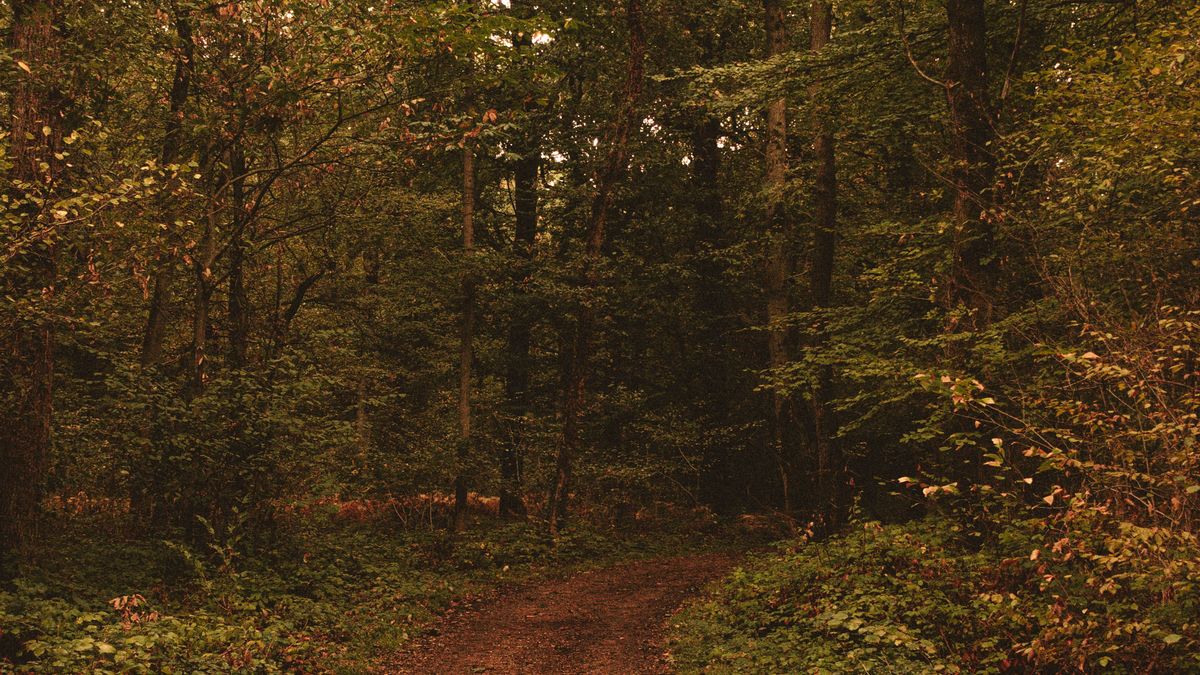
Britain's footpath network is one of the great quiet privileges of living here. Around 140,000 miles of public rights of way crisscross fields, moorland, woodland edges and riverbanks, and most of them pass through land that somebody farms for a living. That field of barley, that huddle of ewes, that gate you climbed over — they are not scenery. They are someone's workplace, and often their home.
Walking with a dog through this landscape is entirely possible and genuinely enjoyable, but it works best when you treat every path as a shared space. A few habits, learned once and then practised without thinking, keep you welcome, keep your dog safe and keep livestock and wildlife out of harm's way. None of them take any real effort.
The single most important rule is simple: put your dog on a lead around livestock, and keep it there until you are well clear. This applies to sheep, cattle, horses and pigs alike. Even the most obedient dog can surprise you — a sudden movement, a lamb skipping, a curious heifer — and a chase that lasts thirty seconds can cause real harm.
Worth knowing why this matters so much:
Use a short lead rather than an extending one on farmland — you have far more control, and you will not find yourself tangled in a hedge while your dog investigates a bullock. If you are walking in lambing or calving season (roughly late winter through spring), consider a different route altogether.
Most cattle are curious rather than aggressive, and a herd drifting over to look at you is usually just inquisitiveness. Stay calm, keep your dog close, and walk steadily towards your exit rather than turning your back and hurrying.
If a group of cattle actually moves towards you with intent, the accepted advice is to let your dog off the lead so that you are not dragged or tripped, step to the side if you can, and walk calmly away without running. Running invites a chase. Cattle will normally lose interest once you are past the field boundary, and your dog will almost always find you again at the gate — which is why good recall matters more on farmland than anywhere else.
Countryside gates are doing a job: keeping stock in or out. The rule is straightforward and worth repeating to every member of your group.
Waymarkers are your friends. In England and Wales, yellow arrows mark footpaths, blue marks bridleways, and red marks byways open to vehicles. In Scotland you have a right of responsible access rather than set paths, which makes reading the ground and the signs even more useful.
Where a farm has diverted a path — for a slurry lagoon, a new building or a field of maize — follow the temporary waymarkers rather than the line on an old map. If a path is genuinely blocked or a gate is broken, report it to the local highway authority rather than finding your own way around through crops. Walking the headland, keeping to the edge of a growing crop and going single file through narrow strips all help keep paths open and relations friendly.
Farmland is wildlife habitat as much as it is a larder, and your dog's nose can undo a lot in a few seconds. Ground-nesting birds such as curlew, lapwing and skylark breed between roughly March and July, and a dog off the path can disturb nests you will never even see. Adders emerge to bask in spring, and ticks are active for much of the year in long grass and bracken — check both yourself and your dog after every walk.
Keep to the line of the path, give hedgerows and field margins a wide berth, and never let your dog swim in ponds or troughs where livestock drink. Carry water, a spare lead and a few bags as standard. Do all that, and you will be the kind of visitor farmers are glad to see — which, in the long run, is what keeps our footpaths open for the next generation of walkers and their dogs.

Hi, my name is Anthony kuber. I am artist and fashion designer.
I love to travel and writing blogging.
Your email address will not be published. Required fields are marked *
Software Developer & Writer
Hey, I'm Diva, a developer and writer blending code and creativity. I'm driven by a deep curiosity and a relentless pursuit of excellence. Join me as I craft digital solutions and captivating stories.


