
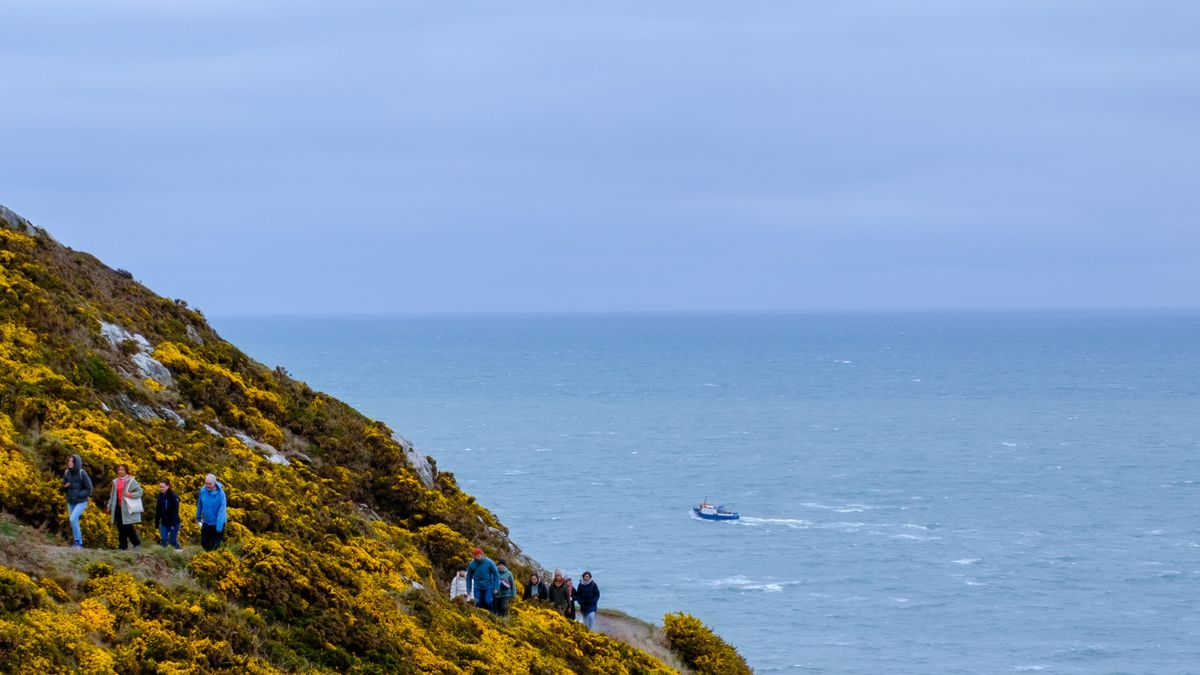
Anyone who has spent time on British hills knows the feeling. You set off from the car park under a clear blue sky, the forecast promising a dry afternoon, and by the time you reach the first cairn the cloud has dropped, the wind has picked up and a fine drizzle is finding its way past your collar. An hour later, the sun is out again and you are peeling off layers while steam rises from your waterproofs.
This is the reality of upland walking in the UK. Our weather shifts on the scale of minutes rather than hours, especially on exposed ridges in the Lake District, Snowdonia, the Pennines and the Scottish Highlands. Wind chill can drop the felt temperature by several degrees, and rain that starts as a nuisance can quickly become a genuine safety issue when you are high up and far from shelter.
The good news is that a well-packed daypack solves most of it. You do not need a heavy expedition load. You need a handful of carefully chosen items that let you adapt without stopping for long. Here is what earns its place in the bag.
Your waterproof jacket and trousers are the foundation of the whole kit. In changeable conditions, a jacket that wets out is worse than useless because it traps sweat while letting rain in, leaving you clammy and cold. Look for a jacket with a proper waterproof rating and taped seams, and make sure the hood fits over a hat without restricting your view.
Waterproof overtrousers matter just as much as the jacket, particularly on ridges where wind-driven rain soaks trouser fabric in minutes. Full-length side zips are a luxury that pays off when you need to pull them on over boots without sitting down in the mud.
Wet feet are miserable, and they are also a genuine risk on a long day. Cold, damp feet lose sensation, which makes rocky descents far more dangerous, and prolonged dampness softens the skin and invites blisters.
A spare pair of socks weighs almost nothing and takes up barely any space. Keep them in a dry bag so they stay dry even if everything else gets damp. If your boots fill with water at a river crossing or a boggy section, stopping to change into dry socks and wringing out your liners can transform the rest of the walk.
Merino wool or a merino blend works well here. It stays warm when damp, dries reasonably quickly and does not hold odour the way synthetics can. Pair them with a spare pair of liner socks if you are prone to blisters, and consider a small pot of foot balm or anti-chafe cream for long days on the move.
On exposed ridges, you burn through energy faster than you expect. Wind and cold both raise your calorie needs, and the effort of walking on rough ground adds up. The mistake many walkers make is packing too little food because the walk is "only" six or seven hours.
Aim for a steady supply of snacks rather than one large meal. Things that survive being squashed and do not freeze solid are ideal.
Water is easy to underestimate. Carry at least a litre for a half-day and two litres for a full day on the hills, more in summer or if you are moving fast. A flask of hot tea or soup is a real morale booster in cold, wet conditions and costs you very little weight. On a chilly ridge, a warm drink does more for your mood than almost anything else in the bag.
These two items are the ones people leave behind and then wish they had not. A head torch weighs next to nothing and turns a delayed descent from a serious problem into an inconvenience. Even if you plan to be off the hill well before dark, plans slip. A wrong turn, a slower-than-expected pace, a longer lunch stop in a sheltered spot, and suddenly the light is going. Choose a torch with a decent beam and fresh batteries, and keep it somewhere you can find it by touch.
Your first aid kit does not need to be extensive, but it should cover the injuries that actually happen on British hills.
If you walk regularly on remote ground, consider a basic emergency shelter and a means of calling for help. A phone in a waterproof pouch is fine, but batteries die in the cold, so keep it warm and consider a power bank.
The way you pack matters as much as what you pack. On a day of shifting weather you will be stopping to change layers, grab a snack and top up your water. Everything you might need while standing in the wind should be accessible without emptying your bag.
Put waterproofs, hat, gloves, snacks and water near the top or in side pockets. Keep spare socks, the first aid kit and the emergency blanket in a dry bag lower down. Line your pack with a liner or use dry bags throughout, because a wet pack is heavy, cold and slow to dry.
Finally, check the forecast before you go, but treat it as guidance rather than gospel. Pack for the weather that could arrive, not just the weather promised at the trailhead. Do that, and a changeable day on the hills becomes exactly what it should be: bracing, beautiful and entirely manageable.

Hi, my name is Anthony kuber. I am artist and fashion designer.
I love to travel and writing blogging.
Your email address will not be published. Required fields are marked *
Software Developer & Writer
Hey, I'm Diva, a developer and writer blending code and creativity. I'm driven by a deep curiosity and a relentless pursuit of excellence. Join me as I craft digital solutions and captivating stories.


