
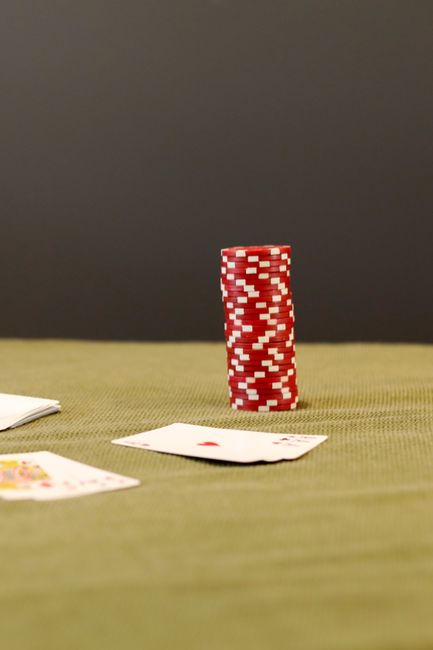
There's a moment every gambler knows. It's not the spin of the roulette wheel or the turn of the river card. It's the second after you hit "confirm bet" when you've already committed your money but haven't yet seen the outcome. That's the real game — the one happening in your head, not on the table.
I've been around iGaming long enough to watch the industry morph from clunky Java-based casino lobbies into something that fits in your pocket and streams live dealers from studios in Malta and Bucharest. The technology changed. The math didn't. That's the first thing any serious player needs to understand, and it's the thing the marketing departments are counting on you to forget.
Every game in a casino, online or brick-and-mortar, has a built-in mathematical advantage for the operator. That's not a conspiracy; it's a business model. The question is how big that edge is and whether you're playing a game where skill can shrink it.
See the pattern? Games with a skill component sit at the bottom of that list. Games that are pure luck sit at the top. If you're playing keno because it's "fun," fair enough — just don't convince yourself you're grinding an edge.
People love to talk about hot and cold machines. I've heard otherwise intelligent adults claim a slot is "due" after a dry spell. It isn't. Modern slots run on certified random number generators that produce an independent outcome on every spin. The machine doesn't know you've been losing. It doesn't care.
What actually matters with slots is volatility, not whether the machine is "due." Low-volatility slots pay small amounts frequently — think classic 3-reel games with 96% RTP and a max win of 500x. High-volatility slots like the Megaways titles from Big Time Gaming or the "Book of..." series from Pragmatic Play might go hundreds of spins without a meaningful hit, then dump a 5,000x win in one bonus round. สล็อต goes into the finer points.
Here's a practical approach:
Poker is the one game in the building where you're not playing against the house. You're playing against other humans, and the house takes a rake. That single fact makes poker fundamentally different from everything else on this list.
If you're a losing poker player, the rake isn't your problem — your decision-making is. Here are the leaks I see most often in low-stakes online games:
Cash games and tournaments require different strategies. Tournaments demand push-fold charts once stacks get short. Cash games reward deeper post-flop play. If you're mixing the two, you're probably bleeding in both.
Sports betting has exploded thanks to mobile apps and same-game parlays, but the fundamentals haven't moved. The bookmaker's margin — the vig — is baked into every line. Your job is to find spots where the true probability of an outcome is higher than what the odds imply.
Professional bettors don't care about winning individual bets. They care about closing line value. If you consistently bet numbers that beat the closing line, you're doing something right, even if you go on a losing streak. Variance is a feature of the game, not a flaw.
Practical tips:
Welcome bonuses look generous until you read the terms. A "100% up to $500" offer with a 40x wagering requirement on slots means you need to bet $20,000 before you can withdraw a cent. That's not a bonus; that's a leash.
Before claiming anything, ask:
Every experienced player will tell you the same thing: the players who last are the ones who treat their bankroll as a separate, sacred fund. Not rent money, not grocery money, not the emergency fund. Money you can lose entirely without changing your life.
A simple rule that works for most casual players: keep 50–100 buy-ins for cash games, 100+ for tournaments, and a dedicated slot budget you can replenish only from discretionary income. When the fund is gone, you stop. That's it. No chasing, no "one more deposit."
The house edge will collect its tax over time. Your job isn't to eliminate it — you can't. Your job is to make sure that when luck swings your way, you're still bankrolled enough to be sitting at the table. That's the whole game, and it's been the same since the first casino opened its doors in Venice in 1638.
The technology changed. The river card didn't.

Hi, my name is Anthony kuber. I am artist and fashion designer.
I love to travel and writing blogging.
Your email address will not be published. Required fields are marked *
Software Developer & Writer
Hey, I'm Diva, a developer and writer blending code and creativity. I'm driven by a deep curiosity and a relentless pursuit of excellence. Join me as I craft digital solutions and captivating stories.


